The construction industry is a dynamic and complex field, with each building project starting as a mere blueprint and transforming into a tangible structure. Behind this transformation lies a fascinating journey of construction materials, from their extraction and manufacturing to transportation and eventual incorporation into buildings. This fusion magazine blog takes you on a detailed exploration of the journey construction materials embark upon, shedding light on the intricacies that shape our built environment.
1. The Birth of a Blueprint:
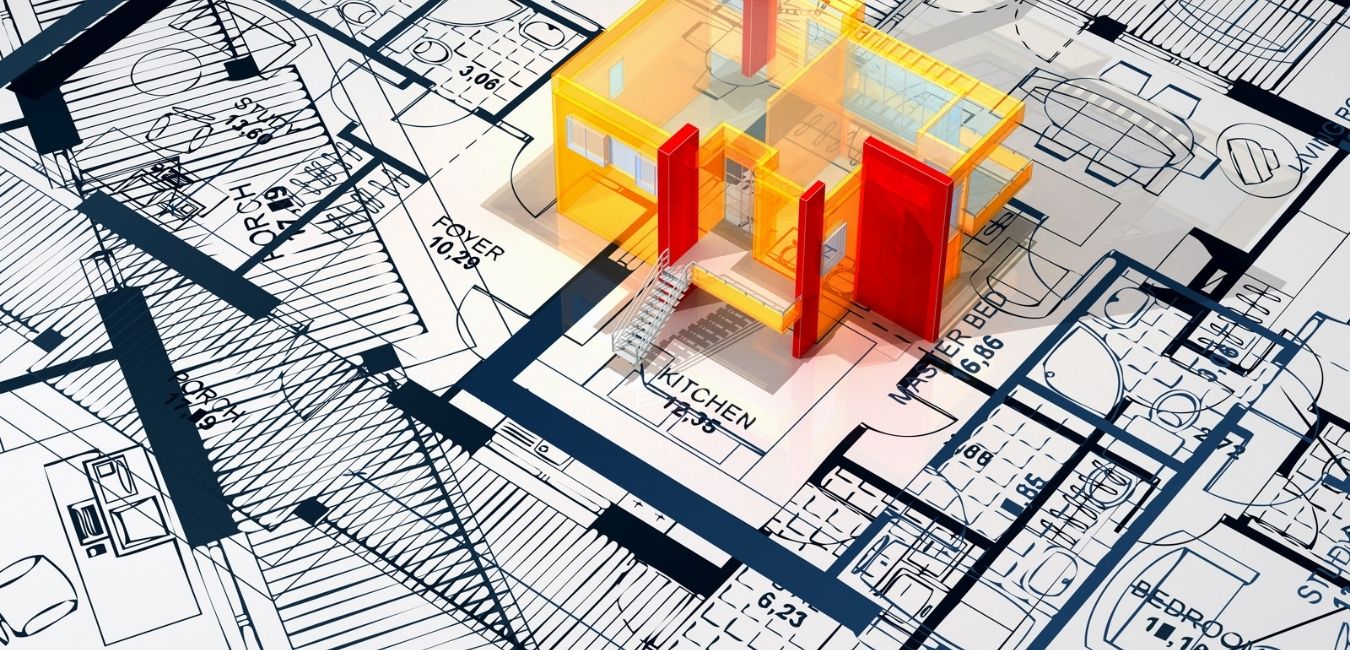
Every construction project begins with a blueprint, a detailed plan that outlines the design and specifications of the intended structure. Architects and engineers collaborate to create these blueprints, considering factors such as functionality, aesthetics, and structural integrity. The blueprint serves as the roadmap for the entire construction process, guiding the selection and use of materials.
2. Material Selection:
Once the blueprint is finalized, the next crucial step is selecting the appropriate construction materials. This involves considering factors like the type of building, local climate, and regulatory requirements. Common construction materials include concrete, steel, wood, and glass, each chosen for its specific properties and suitability for the intended purpose.
3. Material Extraction and Manufacturing:
The journey of construction materials often begins with extraction from natural resources. For example, wood is sourced from forests, while minerals like limestone are mined for concrete production. The extraction process must adhere to environmental regulations to minimize ecological impact.
Manufacturing follows extraction, transforming raw materials into construction-ready components. This phase involves processes like smelting for steel, kiln drying for wood, and mixing and curing for concrete. Manufacturers play a crucial role in ensuring the quality and consistency of materials before they reach construction sites.
4. Transportation Challenges:
Transporting construction materials from manufacturing plants to construction sites is a logistical challenge. The mode of transportation depends on the type and quantity of materials. While bulk materials like sand and gravel are often transported by trucks, specialized carriers may be required for large and heavy items like steel beams. The transportation process is not only a matter of efficiency but also a consideration for minimizing environmental impact.
5. On-Site Logistics:
Once construction materials arrive at the site, efficient on-site logistics become paramount. Materials must be stored in a way that facilitates easy access and minimizes the risk of damage. Coordination between suppliers, contractors, and construction crews is essential to ensure a smooth flow of materials during the building process.
6. The Building Process:
With materials on-site, construction can begin. The sequence of building often starts with the foundation, followed by the framing, walls, and finally, the roof. Each step requires careful coordination and adherence to the blueprint. Construction crews work together to assemble and install materials, turning the two-dimensional plan into a three-dimensional reality.
7. Quality Control:
Throughout the construction process, quality control measures are in place to ensure that materials meet the specified standards. Inspections, testing, and adherence to building codes help identify and rectify any issues promptly. Quality control is crucial not only for the safety and longevity of the structure but also for meeting regulatory requirements.
8. Sustainable Construction Practices:
Increasingly, the construction industry is embracing sustainable practices. This includes using recycled materials, minimizing waste, and incorporating energy-efficient technologies. Sustainable construction not only benefits the environment but also aligns with the growing demand for eco-friendly and energy-efficient buildings.
9. The Finished Product:
As the construction process nears completion, the building begins to take its final form. The installation of finishing materials such as flooring, paint, and fixtures transforms the structure into a functional and aesthetically pleasing space. The finished product reflects the collaborative effort of architects, engineers, contractors, and various tradespeople involved in the construction journey.
10. Building Maintenance and Lifecycle:
The journey of construction materials doesn't end with the completion of a building. Regular maintenance is essential to ensure the longevity and functionality of the structure. Understanding the lifecycle of construction materials helps in planning for future renovations, upgrades, or potential deconstruction and recycling.
Conclusion
From the inception of a blueprint to the final touch of paint, the journey of construction materials is a multifaceted process that shapes the world we live in. The careful selection, extraction, manufacturing, transportation, and incorporation of materials are integral to the success of any construction project. As the construction industry evolves, the emphasis on sustainability and efficiency continues to drive innovation, ensuring that the journey from blueprint to brake lights is not only remarkable but also responsible and forward-thinking.
Comments
Post a Comment